
Photo Credits: Unsplash
CommentaryLoyalty or Liability? What Brand Rivalry Research Means for Irish Sports Sponsorship Strategy
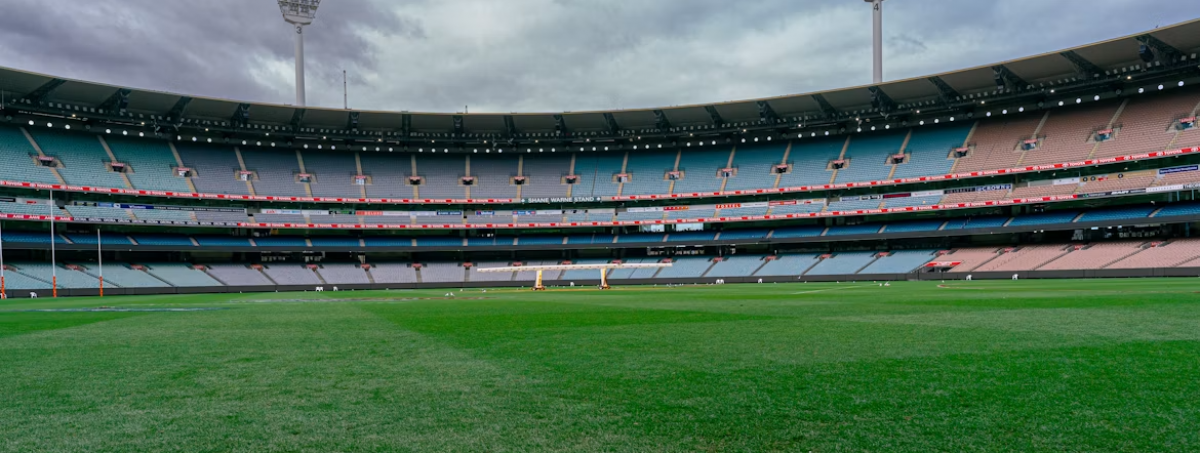
Sports sponsorship builds loyalty, but it can also inherit rivalry, anger and reputational risk. A Bakery and Snacks analysis published on 28 August 2026 by Gill Hyslop examines these dynamics through the lens of food and snack brands, drawing on Mondelēz International’s decision to align Oreo, Ritz, Sour Patch Kids and Chips Ahoy! with the Kansas City Chiefs and the lessons of Pernod Ricard’s abandoned PSG deal. The article offers a rigorous framework for thinking about sports sponsorship strategy that extends well beyond the snack category.
The Mondelēz deal captures the central commercial tension. By entering Chiefs Kingdom, the snacking giant gains access to loyalty, identity and belonging at a scale that conventional advertising rarely matches. A 2021 Journal of Business Research study confirms the risk: highly identified rival fans can experience a sponsor as a threat, generating anger that damages brand responses. Oppositional brand loyalty means consumers can reject a product not because of taste but team association. Sponsorship marketing that wins fans in one territory may lose customers in another.
The Pernod Ricard and PSG case is the most instructive cautionary example. The group abandoned the deal within days after Marseille supporters threatened to boycott Ricard, whose 90-year history was bound up with the rival city. CEO Alexandre Ricard acknowledged that the brand’s inherited relationship with Marseille “is stronger than anything else.” For Irish brands, this has direct relevance. The GAA’s deep community roots mean that corporate sponsorship of one county, club or provincial council carries implicit associations that sponsors elsewhere rarely navigate. Sponsorship in Gaelic games is not simply a media buy; it is an act of social positioning.
The article’s discussion of KP Snacks and The Hundred raises a different dimension: the regulatory risk of wrapping HFSS products in the healthy imagery of sport. The UK’s restrictions on HFSS paid advertising came into force in January 2026, covering online and broadcast channels, though sponsorships themselves remain unaffected. Ireland’s ASAI rules prohibit HFSS food sponsorship of events of particular appeal to primary-school children, a provision directly relevant to any brand evaluating association with family-oriented properties. As ONSIDE projects the Irish market at €247 million in 2026, food and beverage brands are an active sponsor category and the regulatory direction is clear.
The article’s optimistic finding, from a University of New Brunswick study, is that positive responses to a favoured team’s sponsors are broader and stronger than hostility from rivals. Brand activation that deepens authentic fan connections will typically win more commercial return than it risks. But that outcome depends on the rigour of sponsorship strategy from the outset.
The Mondelēz analysis makes the same point that every well-structured Irish sponsorship should: loyalty is earned, not simply bought.




Discover What's Happening

Explore our newsletters
Join our Newsletter to receive the latest industry trends, expert tips, and exclusive insights delivered straight to your inbox!



.png)

