

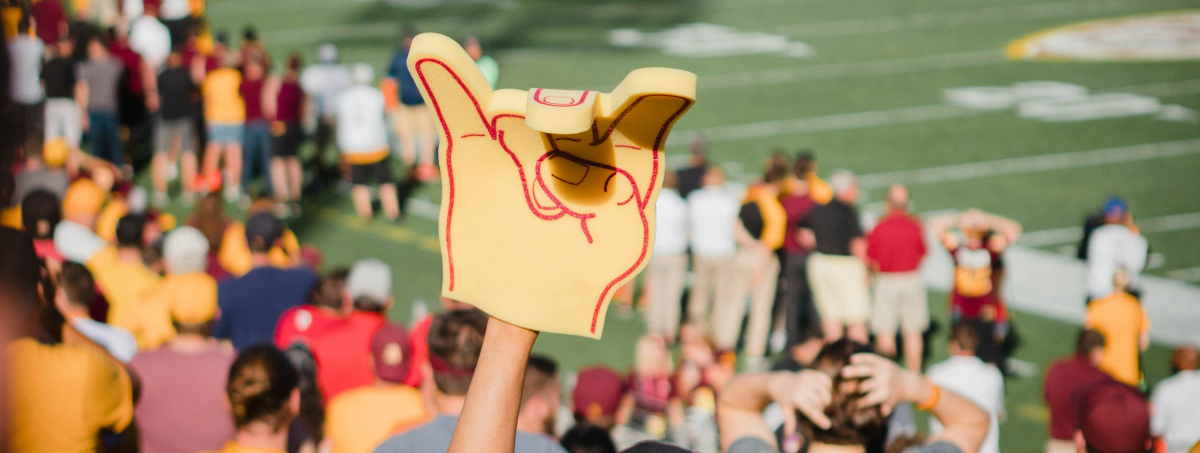
Photo Credits: Unsplash
CommentaryRights Are Not Enough: What Liverpool’s Record Shirt Deal Tells Irish Sponsorship Professionals About Audience Reach
Liverpool’s five-year shirt deal with Turkish Airlines, worth a reported £60 million (approx. €70 million) per year and the most lucrative shirt sponsorship in Premier League history, is an instructive moment for sports sponsorship strategy. An opinion piece published by SportsPro on 16 September 2026, written by Adam Raincock of The Space Between, uses the deal to make a broader argument: record-breaking rights fees are only the beginning of the commercial challenge. Converting that investment into genuine audience engagement is the harder task.
The airline sector’s commitment to football sponsorship is striking because it moves against the broader trend of marketing reassessment. Turkish Airlines joins Emirates, Qatar Airways and Etihad as carriers that have placed global football properties at the centre of their brand strategy. Raincock traces the logic clearly: airlines are global businesses and football provides audience reach across multiple continents and demographics that few other channels can match. Emirates turned sponsorship marketing into the engine of its transformation from regional to world-recognised airline. Today’s airline sponsors are following the same blueprint.
Raincock’s central argument is the one that Irish rights holders and brands should absorb carefully. Liverpool has an estimated global fanbase of 450 million people according to GWI research, yet the club’s unique social media following is approximately 90 million. Raincock estimates that sponsorships activated solely through club and rights holder channels typically reach only 23% of the total audience following that sport. Fan attention is distributed across publishers, creators, influencers and platforms, with a growing proportion of consumed content not generated by clubs at all. For sponsors paying record fees to access a global audience, this disconnect between claimed reach and actual distribution is the defining challenge of modern brand activation.
For Irish brands and rights holders, the implications are direct. Aer Lingus’s sponsorship of the IRFU is a domestic example of an airline partnership built on route relevance and fan community connection. Raincock’s analysis poses a question for every Irish rights holder: are your sponsorship packages structured for genuine audience reach or primarily for broadcast visibility? Digital channels now represent more than 70% of global advertising investment, yet on-screen exposure still accounts for well over half of most sponsorship rights valuations. As ONSIDE projects the Irish sponsorship market at €247 million in 2026, closing that gap should be a commercial priority.
Three action points emerge for Irish C-suites. Sponsorship strategy must be built around distribution capability, not just rights access. Rights holders should present audience reach data covering third-party publishers, creators and influencer networks alongside owned channels. And brands should require comprehensive content plans before committing, not as an afterthought following signature.
The Turkish Airlines deal will be measured by flights sold, not logos seen.




Discover What's Happening
Explore our newsletters
Join our Newsletter to receive the latest industry trends, expert tips, and exclusive insights delivered straight to your inbox!



.png)

